Category: Boards and Observers
-
Startup Board of Directors Guide
Startup board of directors guide overview A startup board of directors is the group that legally approves major company actions and oversees management, while the CEO runs the business day to day. If you are a founder or CEO of a Delaware C-Corp, that answer starts to matter as soon as outside investors ask for…
-
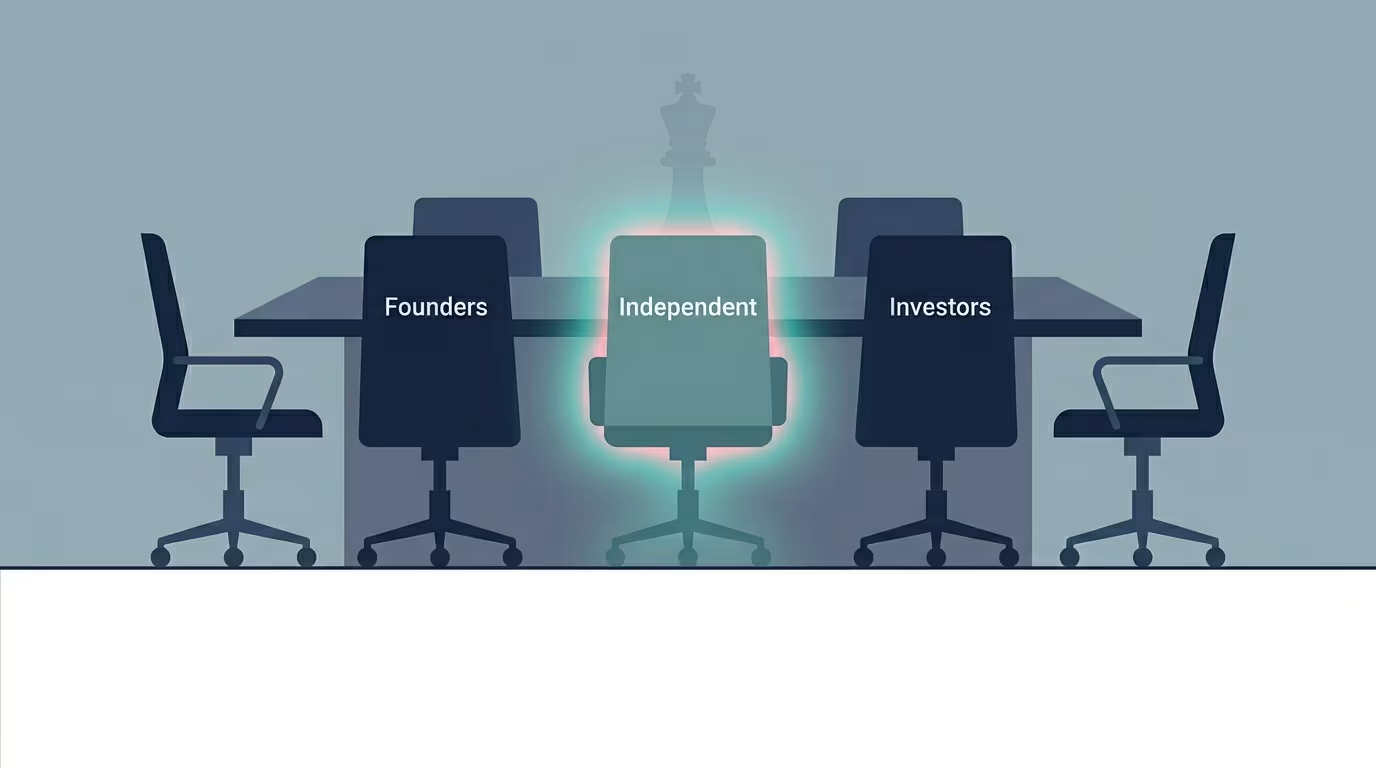
Board Composition: Sticky Control Shifts
If you’re raising a priced round (especially Series A), board composition is one of the few terms that can change your day-to-day reality as a CEO faster than your cap table does. Once you give up voting control at the board level, you may not be able to “earn it back” later without someone else’s…
-
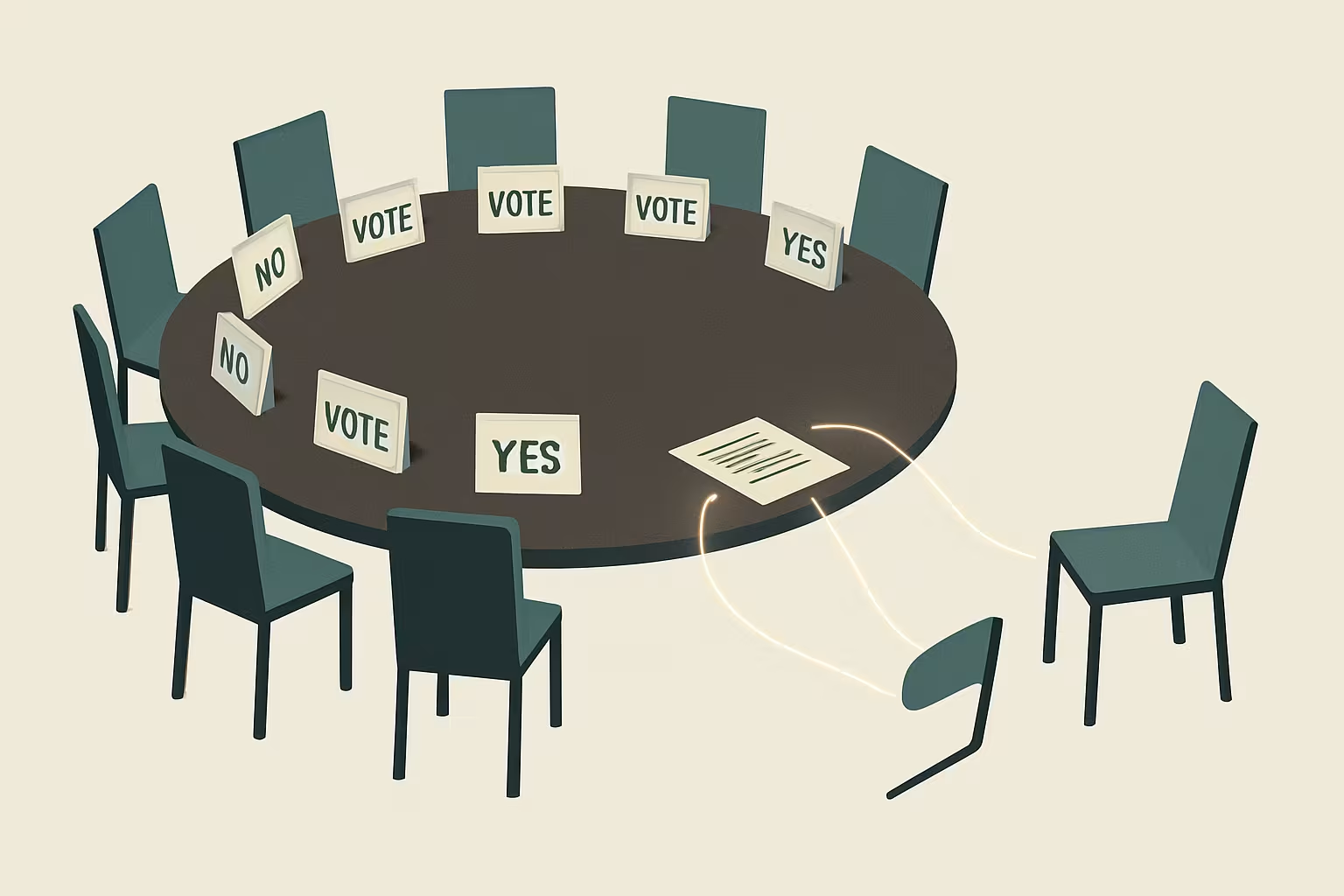
Board Observers: Non‑Voting Doesn’t Mean Harmless
If an investor asks for a board observer, treat it like a real governance concession. Board observers may not get a formal vote, but they usually get the two things that matter more in practice: information and presence. That’s often enough to influence board discussion, direction, and sometimes outcomes that aren’t great for your startup. This…
-

Startup Advisor Agreement: A Primer on the Basics
TL;DR: If you are giving a member of your advisory board equity, you should also sign an Advisor Agreement (sometimes called an Advisor Letter) between the advisor and your startup. It protects your company, clarifies expectations, and closes the two biggest gaps: confidentiality and intellectual property. Why an Advisor Agreement matters when you grant advisor…
-

Advisor Stock Option Grants
Advisors are one of the few “force multipliers” a startup can add early without committing to a full-time hire. The right advisor gives you judgment you have not earned yet and introductions you cannot manufacture on a cold email. The wrong advisor gives you calendar invites. You can usually find strong advisors through incubators, operator…
-

Of Mice and Mentors
Mentors can be a force multiplier for early-stage startups, but incubators routinely let the dynamic drift into something messier. Founders show up looking for guidance, and too often they get soft pitches, status games, and pressure to formalize relationships before anyone has earned that level of trust. Good mentorship speeds teams up. Bad “mentorship” quietly…
-
Dealing with a Startup Creeper
Advisors are great for startups. They can provide your startup with guidance on a wide range of topics and typically take a seat on your startup’s advisory board. But sometimes a person who gives your startup infrequent, casual advice will broadcast to the world that he or she is an advisor to your startup in…
-
How to Protect Directors on Your Startup’s Board
Startups often desire to shield members of their board of directors from personal liability in connection with their duties on the board. And sometimes potential board members are hesitant to join a startup’s board without sufficient personal liability protection. Therefore, startups can protect their directors in a few ways: (1) Indemnification The startup can include…
-
Should your Startup Lawyer also be a Director?
Startup founders sometimes ask their startup lawyer to serve on the board of directors. The founders may feel that their lawyer is a prime candidate for a board seat since their lawyer (a) is familiar with their startup, and (2) has dealt with a myriad of startup company issues through the lawyer’s representation of such…
-
Your Advisor’s Invention Agreements: A Potential Startup Killer
“Get advisors” is a common recommendation given to a startup company entrepreneur. However, entrepreneurs should use caution when selecting advisors for his or her startup company. Your advisors may come pre-packaged with restrictive covenants that have the potential to kill your startup. One such restrictive covenant that could darken any startup’s day is an invention…