Category: Incorporation & Formation
-
Startup Incorporation: The Complete Guide
Table of Contents – Startup Incorporation: The Complete Guide This startup incorporation guide is for founders deciding how to incorporate a startup in the U.S., especially if they are aiming for a Delaware C-Corp and a venture-style cap table. I will assume U.S. norms and the common path where the company may raise a pre-seed…
-

The Ultimate Pre-Incorporation Checklist
TL;DR: If your startup is pre-incorporation, you can still lock down the things that usually blow up later: who owns what, who can bind the company, and whether your IP is actually yours. The expensive problems aren’t abstract legal issues. They’re diligence surprises like a cofounder who “thought” they owned 50%, contractor code with unclear…
-
What Is an Incorporator? The Most Important Person for 10 Minutes in Your Startup Formation
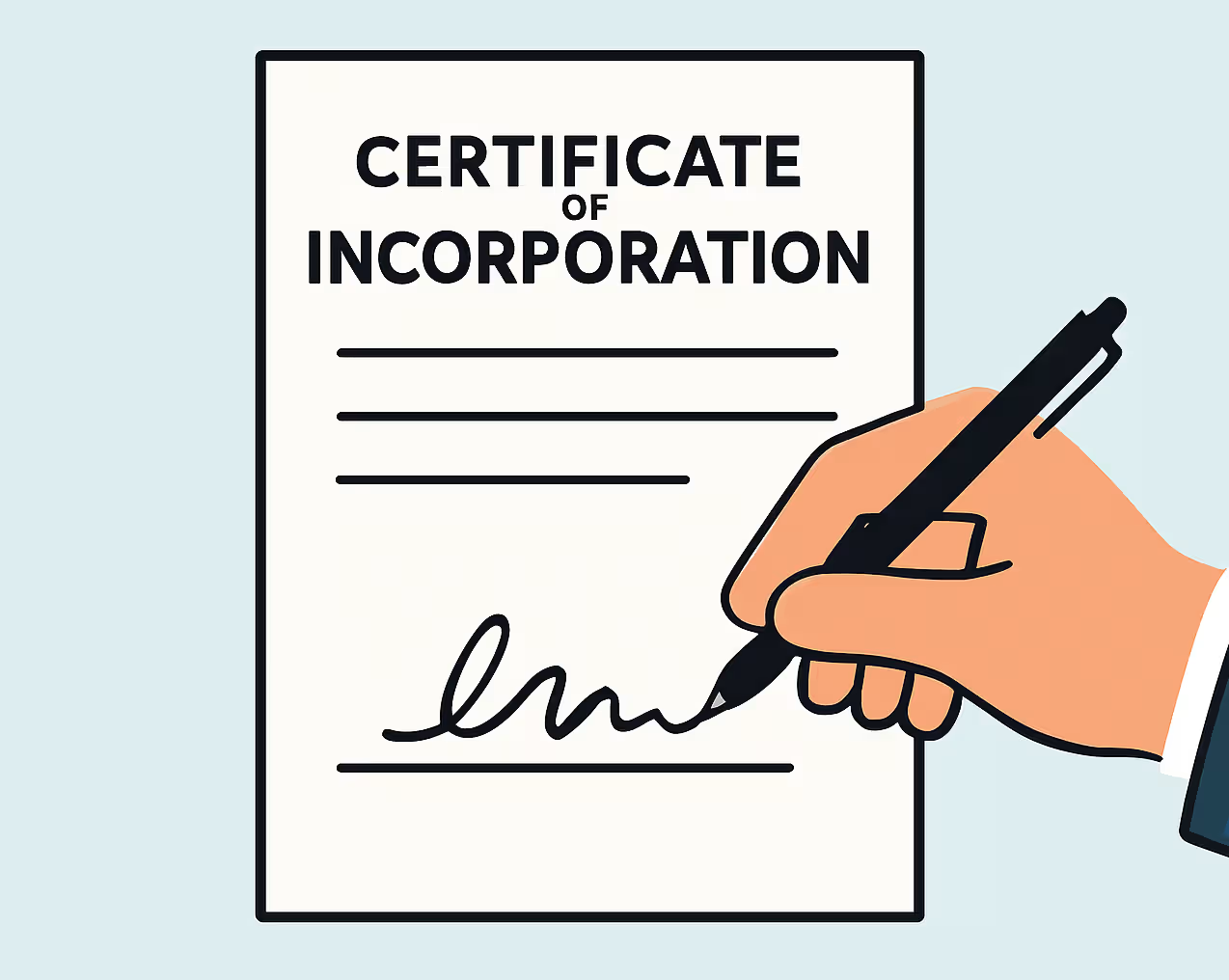
If you’re forming a Delaware corporation (or really any U.S. corporation), the incorporator is the person who signs and files the certificate of incorporation. That’s basically the job. The biggest misconception is that the incorporator is some kind of “initial owner” or shadow director. In almost every normal startup formation, the incorporator is a temporary role that…
-

When a Founder Is Also a Professor: Customizing a Confidential Information and Inventions Assignment Without Tripping Over University Rules
If you’re a startup founder who’s also a professor at a university (or several), a standard confidential information and inventions assignment agreement—your CIIAA—can quietly become one of the riskiest documents in your early legal stack. The short answer is simple: you almost never want to sign a plain‑vanilla CIIAA without customization if you hold an…
-
Par Value for Startup Stock: What It Is, What to Set It At, and Why It Matters
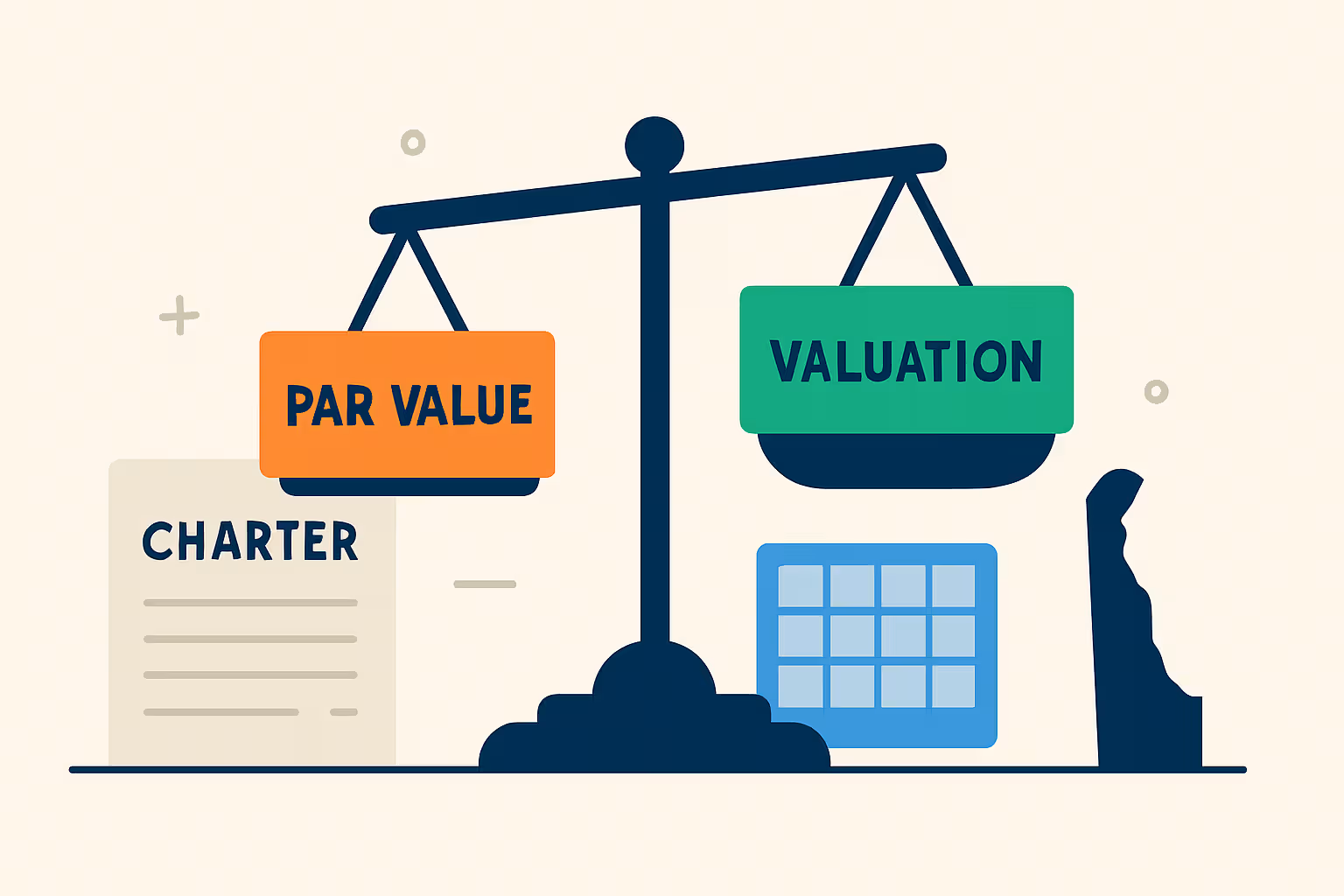
Par value is one of those startup law concepts that feels like it should matter a lot—until you see how it actually shows up in real venture deals. Here’s the short answer: par value is a legal minimum price for stock, not a valuation, and for most early‑stage startups, it’s a formality you set low and move on…
-
Multiple Classes of Common Stock: Power, Perception, and Practical Limits
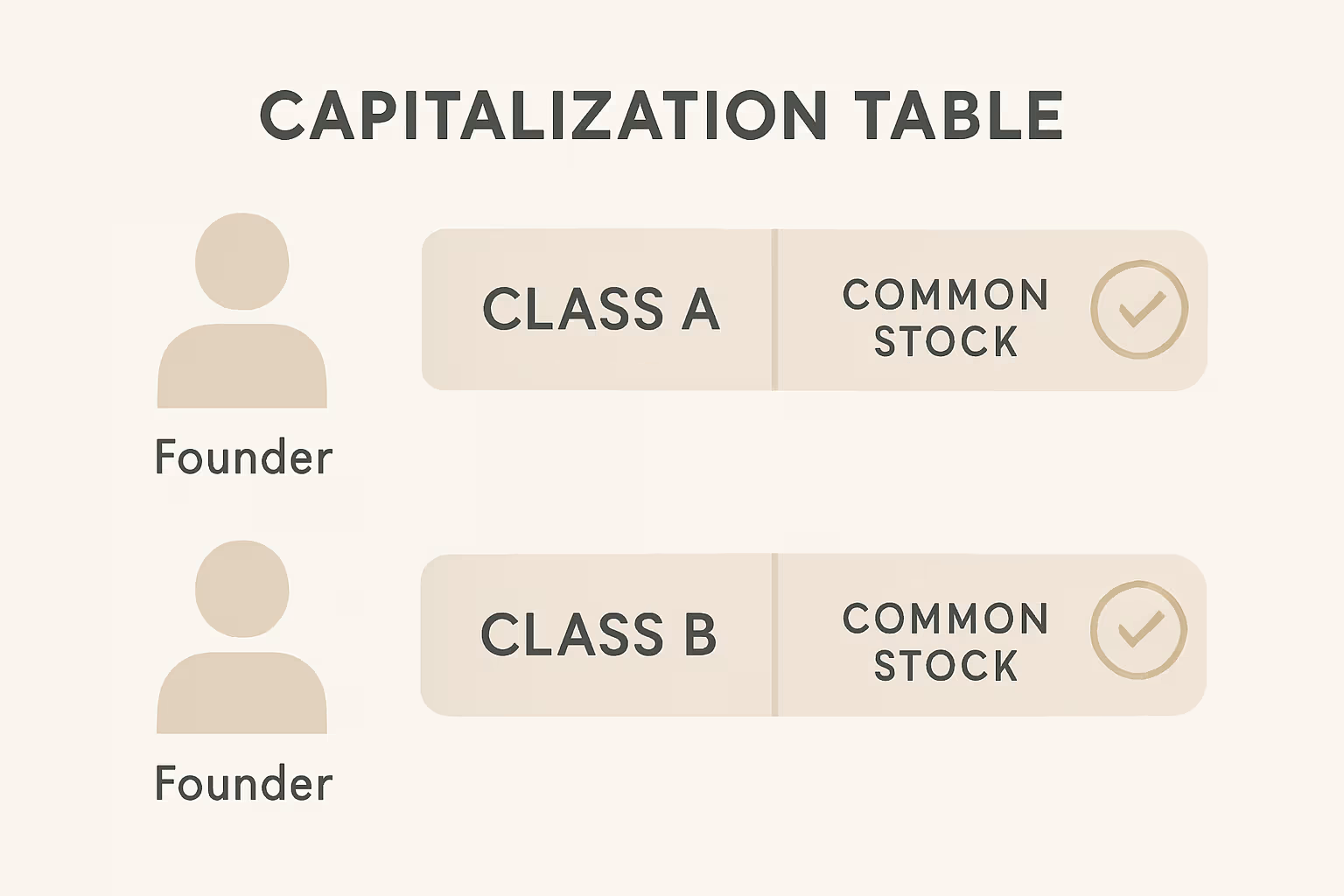
Multiple classes of common stock often surface when founders start thinking seriously about control. This article explains how Class A and Class B structures work, how investors view them, and when they actually affect outcomes.
-

How to Check Availability and Reserve Your Startup’s Name in Delaware
Delaware has a free online system for checking legal entity name availability. You can use it to see whether another business is already formed or registered in Delaware with the same name (or a confusingly similar name). The tool is available here: Delaware name reservation and availability search. How the Delaware name reservation system works…
-

Sorry, Not Sorry: Still Delaware C Corporation for Early-Stage Tech Companies
If you plan to raise venture capital or sell your tech startup one day, it is extremely likely that you should form as a Delaware C corporation. In the last few years I have seen a disturbing trend of people calling themselves “startup lawyers” and steering high growth startups toward LLCs. In most venture-style cases,…
-

Voting Rights of Vesting Shares
One of the most common questions I get when helping founders set up a new startup is: “Do my unvested shares have any voting rights?” Put differently, do you only get to vote based on the number of vested shares you have at a given time? Because founders often subject most (or all) of their…
-

Right of First Refusal in Company Bylaws
A Right of First Refusal (ROFR) provision gives a startup the right to step into the shoes of a third-party buyer when a current stockholder wants to sell their shares. In other words, before the shares can be sold to an outside purchaser, the company has the option to buy the shares itself on the…