Category: Founder Equity, Vesting & Cap Table
-
Startup Equity 101: Splits and Vesting
Table of Contents – Startup Equity 101: Splits and Vesting Start here: what startup equity means In this guide, “startup equity” means who owns what percentage of the company, under what conditions, and with what tax and paperwork consequences. It’s the cap table plus the legal documents underneath it, not just a spreadsheet with names…
-
Online Cap Tables: Great Tools, Real Limits
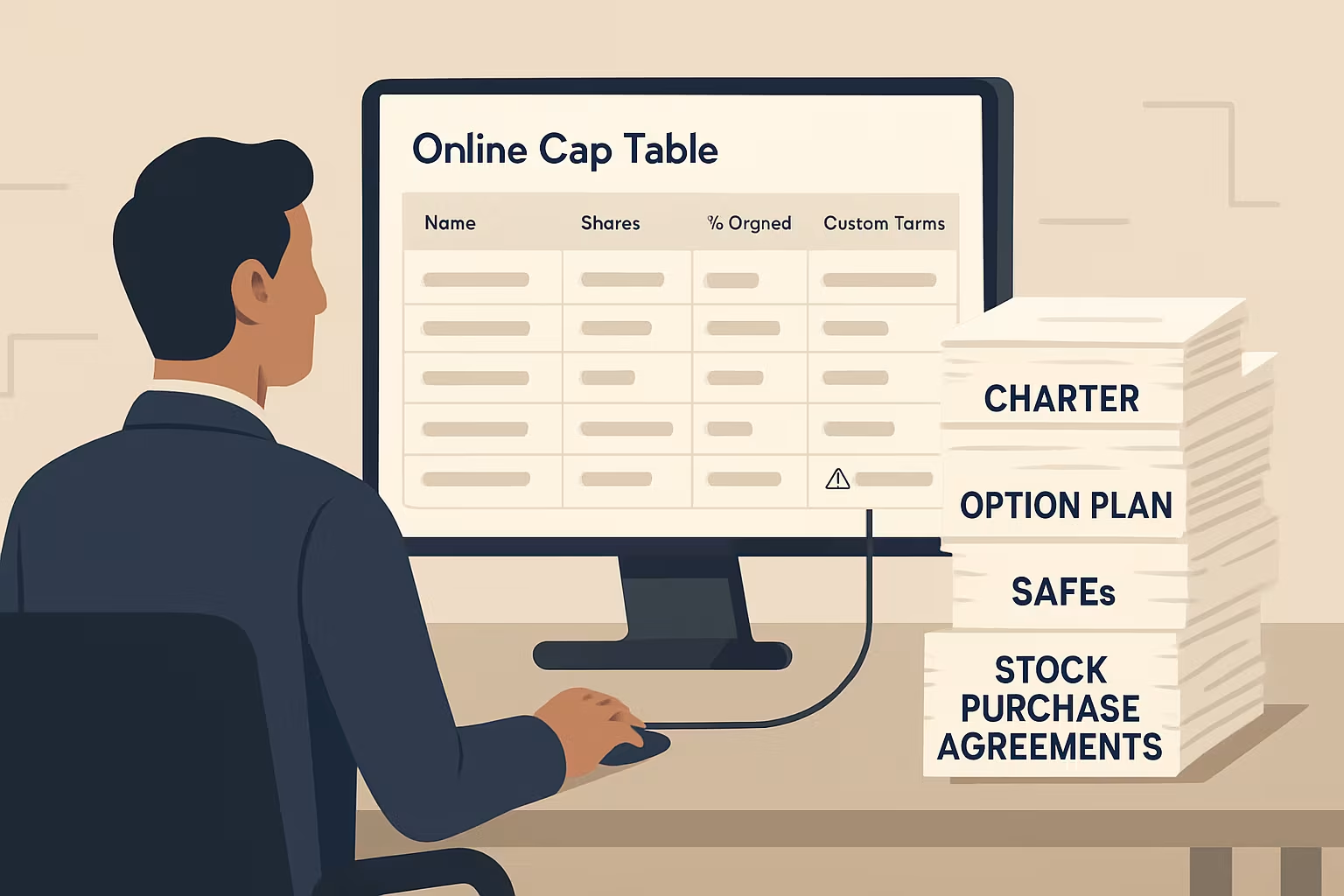
If you’re looking at online cap tables like Carta, Pulley, Morgan Stanley’s Shareworks, or Fidelity’s Private Shares, the short answer is: they’re a helpful secondary record and workflow tool, not the actual “truth” of your capitalization. They can be great for issuing and tracking equity, running option exercises, generating certificates, and modeling financings. But the platform’s outputs…
-
Founder Loans: How to Avoid Cap Table Poison
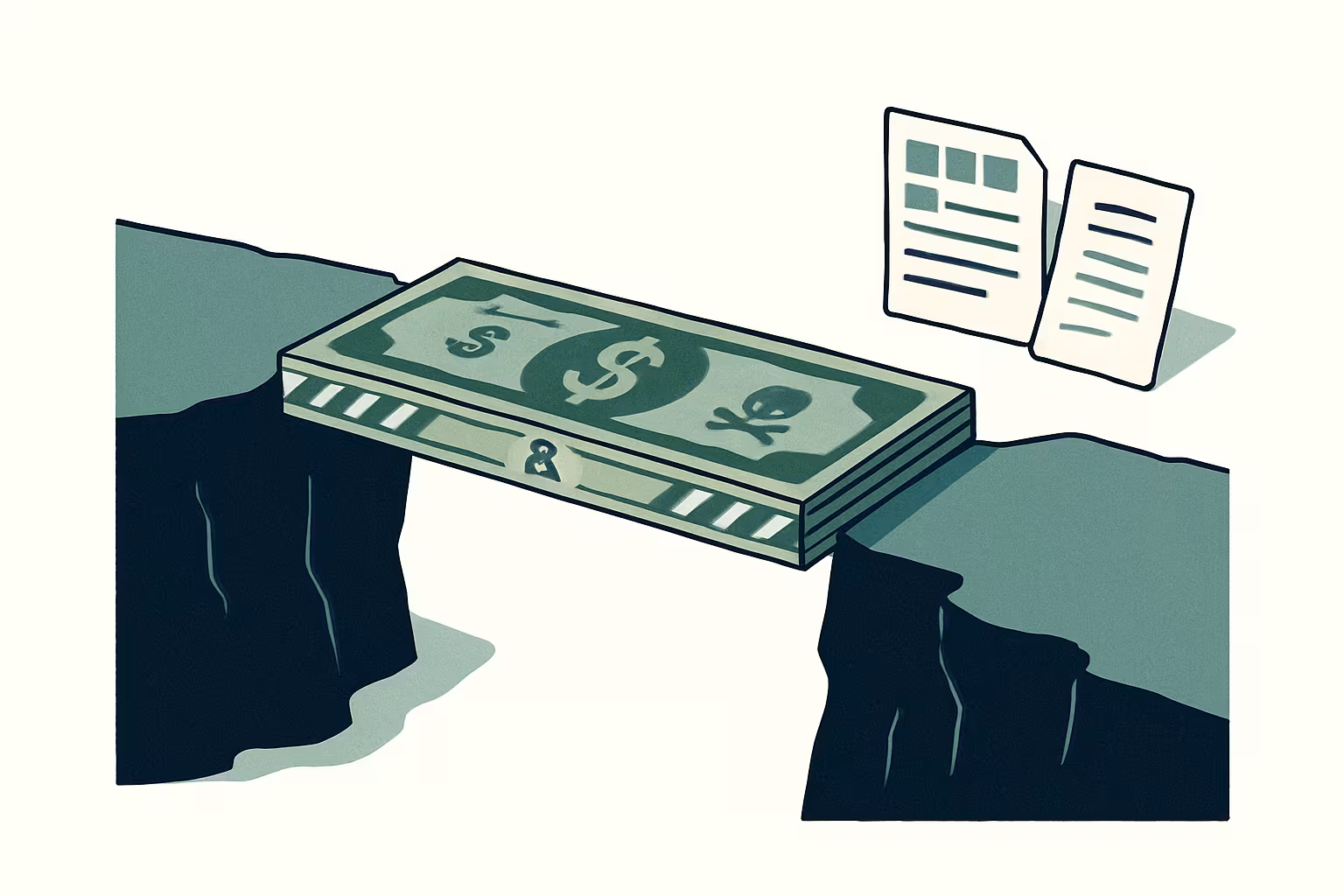
If you’re thinking about “loaning money to your startup,” the short answer is: founder loans can be totally fine as a temporary bridge, but they’re one of the fastest ways to create weird priority fights in a future venture financing if you paper them poorly (or pretend they’re “just informal”). The risk isn’t that investors…
-
Up Up Down Down Left Right Left Right B A Start
If you recognize this post’s title, then you are always welcome at my table. For those of you in the dark, the title of this post is the secret code from the video game Contra. The Contra secret code let the video game player begin Contra with 30 lives. 30 lives on Contra was virtual…
-
5 Common Founder Mistakes
This is a re-post of an article that I wrote about common founder mistakes for StartupLucky.com and Killerstartups.com (not sure if it went out yet). 1. Spending Too Much Time Keeping Your “Unique” Idea Top Secret. Some founders attempt to have everyone within 25 feet of them sign an NDA. Instead of spending time drafting…
-
Keep Your Startup Co-Founder Closer
Why Your Co-Founder May Be Your Biggest Liability
-
Funding Your Buy-Sell Agreement For All Scenarios
Before you execute a buy-sell agreement, make sure that you have adequately funded it. To adequately fund your buy-sell agreement, take each event that would trigger your buy-sell agreement (death, disability, retirement, etc.) and ask yourself “If this event happened tomorrow, would there be enough available funds to purchase the shares?” The most common mistake…
-
Buy-Sell Agreements: The Stock Redemption Plan
In a couple of previous posts, I discussed the value of buy-sell agreements for businesses with 2 or more owners and also one of the two major types of buy-sell agreements, the cross-purchase plan. This post is dedicated to the other main variation of the buy-sell agreement, the stock redemption plan. Under a stock redemption…
-

Buy-Sell Agreements: The Cross-Purchase
If you’re choosing between a cross-purchase and an entity redemption buy-sell, here’s the short answer: a cross-purchase works best when you have a small number of owners, relatively stable ownership, and you actually want the surviving owners (not the company) to end up owning more of the business. If you have lots of owners, you…
-
Friends Can Be Bad Business Partners
Launching a startup business with a friend can be an exciting and rewarding experience. However, I suggest you take a moment and really think about what the potential consequences might be. Starting a business is tough and having a friend involved will only make it more difficult if things go sour. Most importantly, your friendship…