Author: Ryan Roberts
-

Pay-to-Play: The “Fairness” Term That’s Really a Squeeze
If you’re a founder facing a “pay-to-play” in a down round or a messy inside recap, here’s the short answer: it’s usually a leverage tool that gets sold as a fairness principle. Sometimes it’s a reasonable way to make sure investors who want the upside also share the pain. Other times it’s a pressure tactic…
-

SAFE vs. Convertible Note: Leverage You Didn’t Mean to Give Away
If you’re raising a pre-seed or seed round and you’re choosing between a SAFE and a convertible note, here’s the short answer: pick a SAFE unless you want a maturity date (and the pressure that comes with it). In most venture financings, founders don’t “feel” the discount or valuation cap day-to-day. You feel the clock…
-

What Is an Incorporator? The Most Important Person for 10 Minutes in Your Startup Formation
If you’re forming a Delaware corporation (or really any U.S. corporation), the incorporator is the person who signs and files the certificate of incorporation. That’s basically the job. The biggest misconception is that the incorporator is some kind of “initial owner” or shadow director. In almost every normal startup formation, the incorporator is a temporary role that…
-
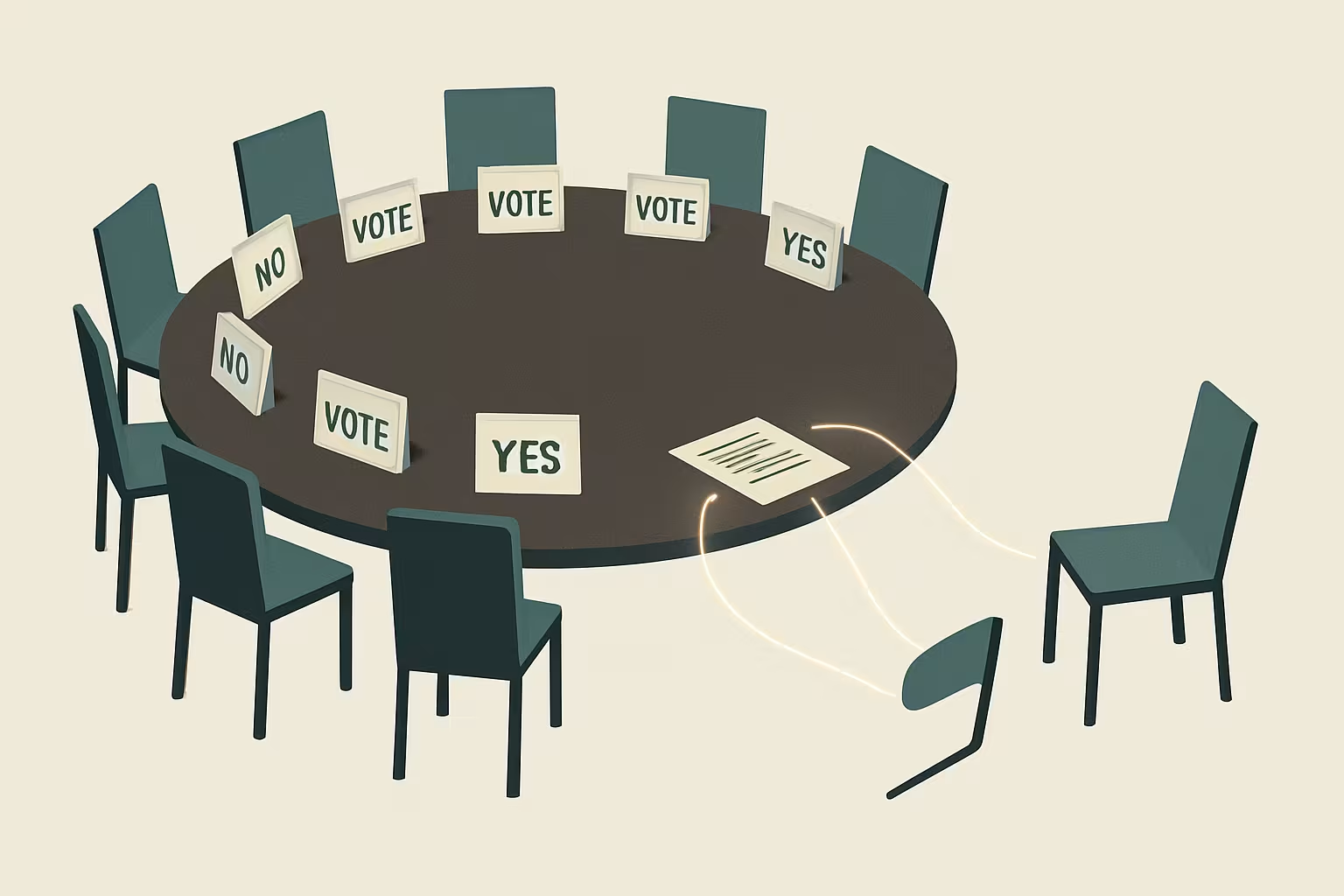
Board Observers: Non‑Voting Doesn’t Mean Harmless
If an investor asks for a board observer, treat it like a real governance concession. Board observers may not get a formal vote, but they usually get the two things that matter more in practice: information and presence. That’s often enough to influence board discussion, direction, and sometimes outcomes that aren’t great for your startup. This…
-

Founder Loans: How to Avoid Cap Table Poison
If you’re thinking about “loaning money to your startup,” the short answer is: founder loans can be totally fine as a temporary bridge, but they’re one of the fastest ways to create weird priority fights in a future venture financing if you paper them poorly (or pretend they’re “just informal”). The risk isn’t that investors…
-

A “Clean Cap Table” Doesn’t Mean What You Think
If you’re fundraising and someone tells you to “clean up your cap table,” they usually don’t mean “have fewer stockholders.” They mean: make your ownership record reliable, documentable, and free of surprises. That means no missing signatures, no mystery SAFEs, no side letters you forgot about, and no equity you can’t actually prove. This matters…
-

Crosby.AI and the (Possible) Return of the Two-Entity Structured “Law Firm of the Future”
Legal tech writing loves a good demo: instant redlines, smarter clause suggestions, fewer 2 a.m. deal scrambles, cheaper lawyer fees. But “AI-native” legal service providers revive an older, nerdier question: corporate structure. When a company calls itself an AI-powered law firm, is it one entity, two entities, or something in between? And if the answer…
-

When to Say No to Investment Money
If you’re raising money for a startup, the short answer is this: you should say no when the capital comes with terms, timelines, or people that predictably and materially reduce your options to build, to raise the next round, or to sell the company later. You’ll hear some version of “lawyers kill deals” any time a…
-

-
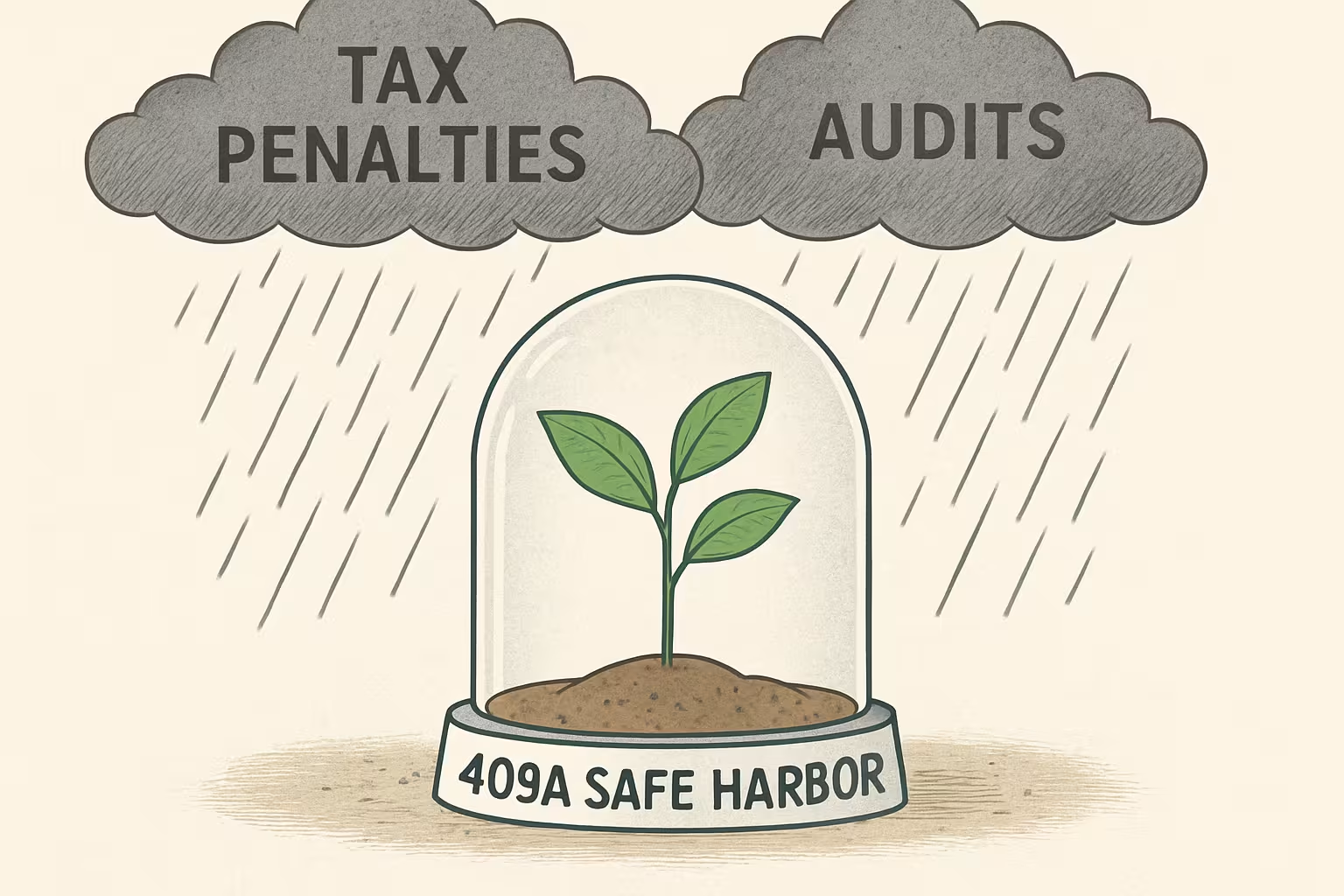
409A Valuations: Why They Exist and What They’re Not
409A Valuations are Safe Harbors for Startup Companies